
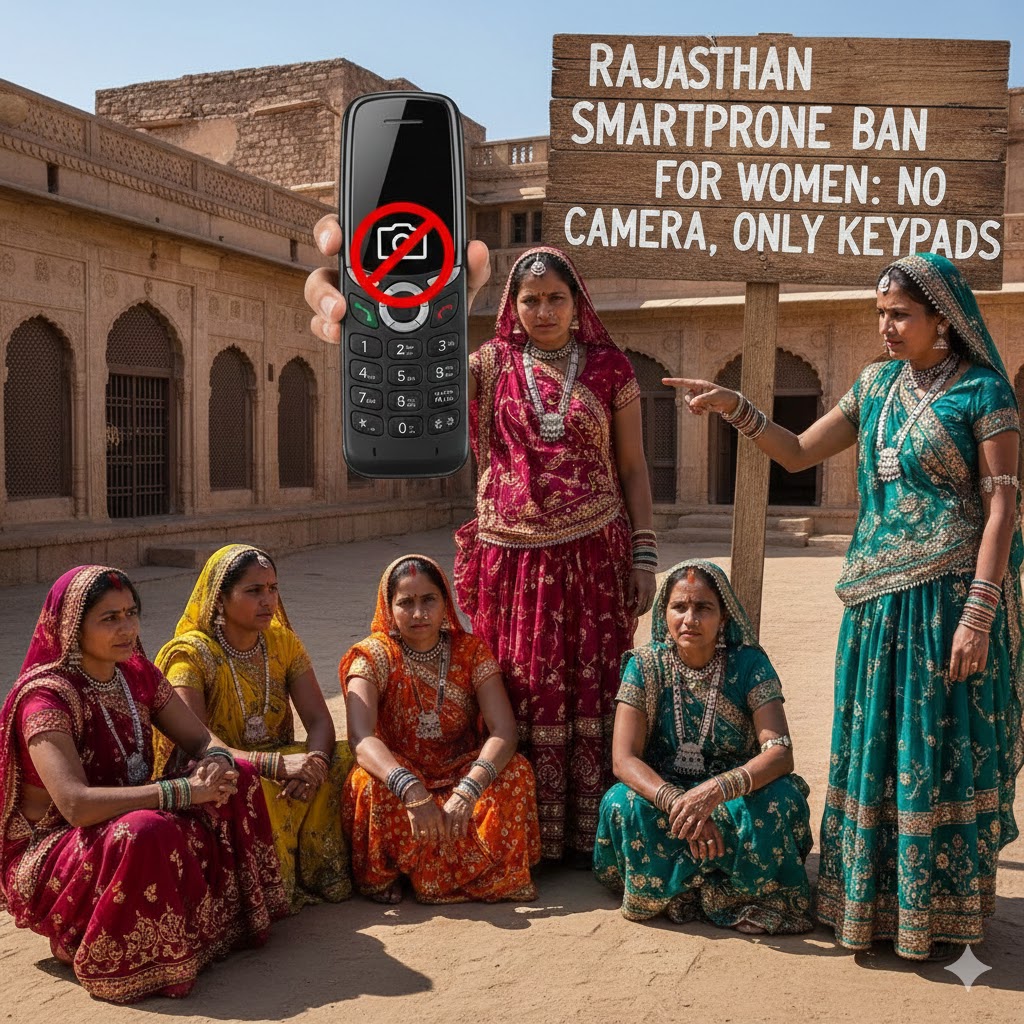

Recently, headlines and social media posts started buzzing with claims about a “Rajasthan smartphone ban for women”, suggesting that women may only be allowed to use keypad phones without cameras. Sounds shocking, right?
What the Headline Really Means
Before panic sets in, it’s important to understand that bold headlines often travel faster than verified facts. This topic sits at the intersection of technology, gender, and social norms.
Understanding the Rajasthan Smartphone Ban Claim
Is It a Law, Proposal, or Rumor?
As of now, there is no officially confirmed statewide law in Rajasthan that bans smartphones for women. Most discussions stem from local-level suggestions, social debates, or misinterpreted statements.
Who Is Supposed to Be Affected?
The viral claim specifically mentions women, which immediately raises serious questions about equality and rights.
What Does “No Camera, Only Keypads” Mean?
Difference Between Smartphones and Feature Phones
Smartphones offer internet access, apps, cameras, and social media. Keypad phones (feature phones) are limited to calls and SMS.
Why Camera Phones Are Being Targeted
Cameras are often blamed — rightly or wrongly — for issues like privacy breaches or misuse. But blaming the tool instead of misuse is like banning knives instead of teaching safety.
Social Context Behind the Debate
Concerns Around Privacy and Safety
Supporters argue that restricting smartphones could reduce harassment or misuse. Safety is a valid concern, but is restriction the right solution?
Cultural and Social Arguments
In some conservative settings, technology is seen as a threat to traditional norms — especially when women gain independence through it.
Women and Mobile Phone Usage in Rajasthan
Digital Inclusion of Women
Smartphones have become tools of education, financial independence, and communication for women.
Role of Smartphones in Women’s Lives
From online classes to digital payments and health apps, smartphones are lifelines, not luxuries.
Education vs Restriction
Smartphones as Learning Tools
Girls use smartphones for competitive exam prep, skill development, and remote education.
Risks of Limiting Technology
Limiting access doesn’t stop progress — it only pushes women further behind in a digital world.
Government’s Perspective (Claims & Narratives)
Arguments in Favor
Supporters say restrictions may help curb misuse or social issues.
Stated Objectives
The stated goals often include “discipline” and “social harmony,” but critics argue these are vague and selective.
Public Reaction and Criticism
Voices from Women
Many women openly question: “Why us? Why not educate everyone instead?”
Response on Social Media
Platforms like X (Twitter) and Instagram saw strong backlash, memes, and debates.
Legal and Constitutional Angle
Right to Equality
Any gender-specific restriction could violate Article 14 (Right to Equality) of the Indian Constitution.
Right to Privacy
Access to technology is closely linked to privacy and personal freedom.
Technology and Gender Equality
Digital India vs Digital Divide
India promotes Digital India, yet restrictions like these risk deepening the gender digital divide.
Impact on Women Empowerment
Empowerment cannot happen with limitations — it grows with trust and access.
Comparison with Other States or Countries
Similar Restrictions Elsewhere
Some countries have tried tech restrictions — most failed due to resistance and impracticality.
Lessons from Global Examples
Education and awareness always outperform bans.
Possible Consequences if Such a Ban Happens
Social Impact
Women may face isolation, reduced opportunities, and dependency.
Economic Impact
Digital jobs, online businesses, and gig work would take a hit.
Misinformation vs Reality
Viral Headlines and Truth
Not everything viral is factual. Many such claims lack official confirmation.
Importance of Fact-Checking
Always check credible news portals before believing or sharing.
What Experts and Activists Say
Digital Rights Activists
They strongly oppose gender-based tech restrictions.
Women’s Rights Groups
Groups argue that education, not control, is the real solution.
The Way Forward
Education Over Restriction
Teach digital safety, consent, and responsibility — for everyone.
Policy Alternatives
- Digital literacy programs
- Stronger cyber laws
- Awareness campaigns
Conclusion
The idea of a Rajasthan smartphone ban for women with “no camera, only keypads” sparks strong emotions — and rightly so. Technology is power, and restricting it based on gender raises serious ethical, legal, and social questions. Instead of banning devices, empowering minds is the smarter, fairer path forward.